It’s interesting to feel the mood of Calgary in the late 1970s during this current mood of ‘bust’, if we dare use this dreaded b-word. On the plus side, my city taxes are lower this year.
All posts by admin
Literary Map of Canada
Here’s a fun start to the new year – a literary map of Canada, 1936. Calgary is called Calgary Station and the map is full of rustic Canadian images. I confess I hadn’t heard of the four Calgary writers. I also hadn’t heard of most of the Canadian ones either. Such is the lasting fame of most writers.
Happy New Year
 NaNoWriMo got me interested in tracking my writing activity stats. For Christmas, I received a present that is doing this for physical activity – a fitbit that tracks my daily footsteps.
So far — that, is for six days — my fitbit has encouraged me to walk or jog on the spot when I’d normally be sitting or standing. I have to say this jogging has sometimes been distracting for my family.
Periodically, through the day, I log onto my fitbit computer site and ‘synch’ the steps I’ve walked since I clipped the small device onto my shirt or pants that morning. The site displays graphs that show how close I am to my daily goal of 10,000 steps, the calories needed to lose a pound a week and my minutes of activity, which still seem small compared to my sedentary hours. The dashboard also rates activities by intensity. My basic walking around the house has been low intensity, a quick walk through a grocery store and one riser stair-stepping were medium and on-the-spot jogging was high. Stair-stepping feels a bit more intense to me than spot jogging, so this might not be completely accurate. While I’ve usually reached my goal for daily steps, my calories burned have yet to hit the mark. It seems to lose my holiday weight I’ll need to increase the minutes of intensity and/or numbers of steps. This might happen, at least some days, when I restart gym classes and do longer walks in the new year.
This fitbit has been fun. I hope I keep going with it and, for once, keep my ususal New Year’s Resolution to exercise more. And one of these days I’ll have to stop eating those chocolates and cookies.
Best wishes to you for your 2016 resolutions and dreams.
Happy Holidays
 I wish you all a magical holiday season. Best wishes for a wonderful 2016 filled with reading and writing.
Yes
A poet says yes to Calgary on a cold, winter day when the city is reeling economically. 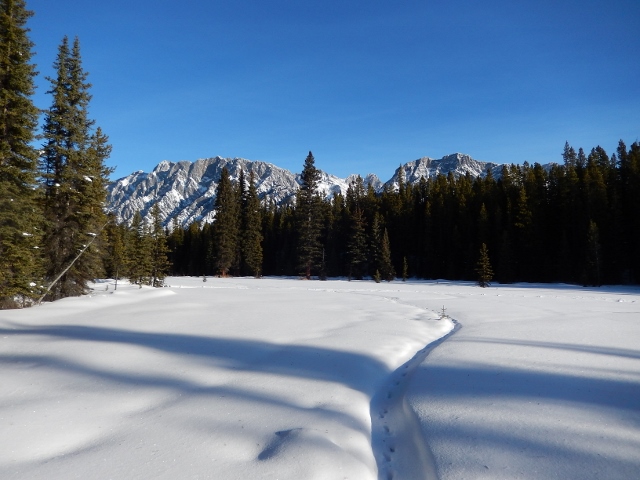
Christmas Gift Ideas for Writers
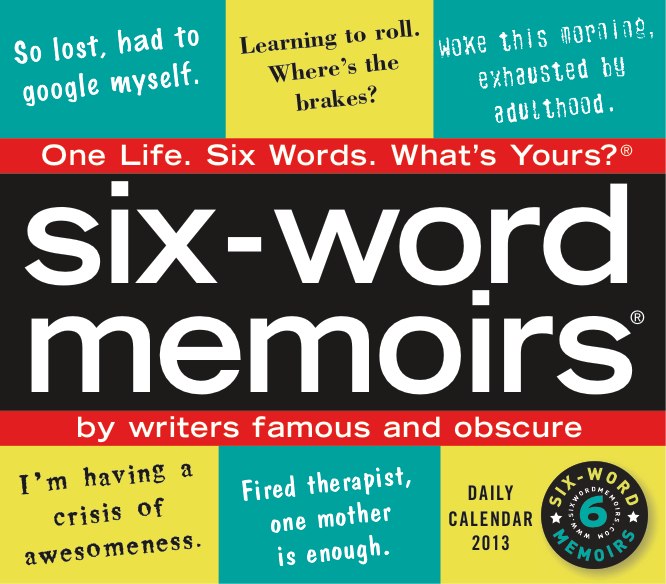
While Googling images for memoir writing I came across a couple of Christmas gift ideas for writers interested in memoir: a desk calendar and a game.
See today’s blog post for my thoughts on Memoir vs. Fiction.
Happy Holidays!
Memoir vs. Fiction
I found that writing my memoir during National Novel Writing Month was surprisingly similar to my experience of writing novel first drafts. Even though I knew what would happen in my life, there was still the anxiety of wondering whether or not it would work as a story. I also didn’t know exactly which incidents would make it into the memoir. And for many that did, my feelings about them or their meaning for me changed in the process of writing about them. I should have expected this and should also have found it exciting, since exploration is part of the fun of writing, but exploring so close to home was uncomfortable.
This, for me, was a difference between writing fiction and memoir. Even when my fictional characters undergo worse things than I did, I’m only sharing their experience vicarously. Re-living the worst year of my life wasn’t fun, which made NaNoWriMo useful as a device to propel me through the draft and for providing a short term deadline — I knew I’d be done with it in a few weeks.
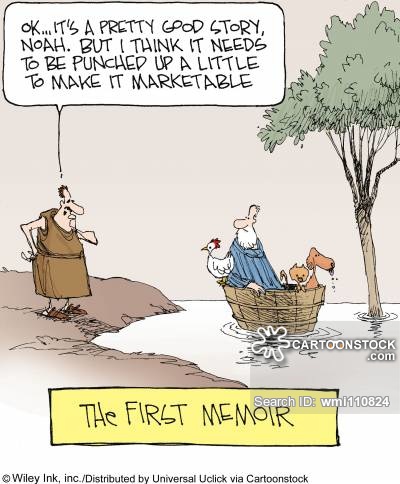
The obvious difference between memoir and fiction is that memoir is true, while fiction is made up. These had pluses and minuses for the two genres.
Since I don’t write novels from an outline, the memoir facts felt like a safety net. I didn’t have to tax my brain to come up with the next event and be concerned about events being believable. The memoir includes coincidences that novel readers might question and doesn’t fully show why certain unexplanable things happened. If the reader trusts me as a writer, he or she will have to accept the memoir events as as true.
The downside of memoir, of course, is that I can’t make it up. This is where I ran into the biggest problem with the book. The first part went fine and progressed to a mid-point climax, after which the story’s narrative drive plummetted as my real life moved less grippingly. I don’t know how to fix this. One solution would be to make it a much shorter story, ending with that first climax followed by brief denoument. But that isn’t the whole story. It’s only true as far as it goes and would leave out a lot of what I want to say. The alternate approach is to insert drive to the second part to maintain reader interest. In a novel, this is no problem – my imagination is the limit. I could have a flood strike (believably) and in the course of my further struggles I’ll learn part 2 of my life lesson.
Another limiting factor for memoir is concern about hurting other people. While I anticipated this being an issue for the larger memoir events, I found it also applied to some less significant ones. The problem is that altering or omitting facts to protect others can harm the story’s truth, reduce its narrative impact, and lose readers’ trust if they feel you’re keeping things from them.
Both novels and memoir deal with theme; what the story means, its main message, what it’s striving to say. While theme is important to a novel, from my brief experience, I would say that theme matters more in a memoir since it’s really what the story is about. Unless you’re famous or your prose is outstanding, what the memoir says that’s a new or different will be what makes it sell. In a novel, the message has been said before. Freshness comes from the colour — characters, plot, original settings.
An advantage I appreciate for memoirs is that they tend to be shorter than novels. This was certainly so for me. With my novel drafts, it’s been an effort to get them down to 100,000 words. My memoir draft came in at 31, 327 words. Reasons for this included such things as (1) the memoir is only about me. In a novel, I’d be exploring other characters, perhaps with alternating points of view, or throw in a murder I would have to solve and, in the process, come to terms with my problem (which might work better than a flood to give my memoir’s second half a narrative drive). (2) Shorter scenes also contributed to my memoir’s brevity. In a novel, I can easily imagine long dialogue exchanges between my characters. My memories contain, at most, a few lines of what people said.
Both genres have their challenges. I still prefer writing fiction, but feel a tug to make this memoir work. I’m reading more memoirs and looking at them with writerly interest to see how they’re put together and might show me a way out of the problems with my NaNoWriMo first draft.
Greene Christmas
Who knew that Graham Greene, a writer I admired when I was younter, wrote a Christmas short story set in Calgary? It sounds creepy, too. Makes me think I should revisit Greene. 
NaMeWriMo
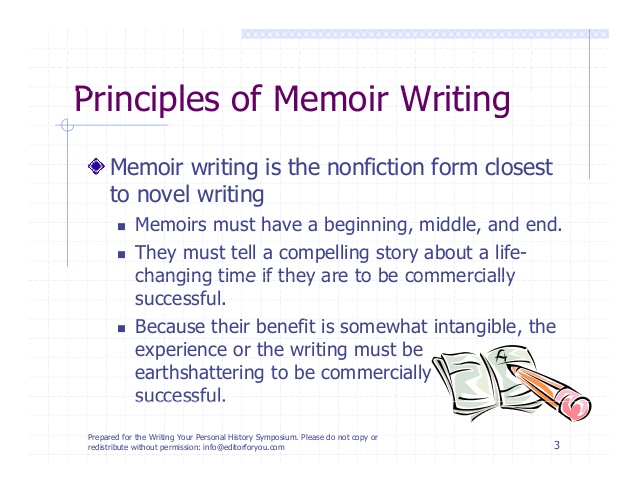
My National Novel Writing Month project this fall wasn’t a novel — it was a memoir. I decided this was allowed, since memoir is, in many ways, closer to novels and than it is to other non-fiction. On the whole, while writing the book last month, I found memoir closer to fiction than I expected.
Writing a memoir this fall surprised me more than anyone. I first thought of this book idea about a week before NaNoWriMo was due to start. It came out of my musings on how to promote my newly completed novel. Publication could be far down the road, but I had the time now to consider issues from the novel that I might write or speak about to attract an audience to the fiction story. Being me with my novel brain, the ideas morphed into a larger concept. NaNo was coming up and I figured, why not give it a try? If nothing else, exploring memoir, a new genre (for me), would be a good writing exercise and, possibly, help me work up some short articles and talks from the material.
And so, my NaMeWriMo project was born. Check out my blog posts today and next week for more reflections as I progressed through the writing process.
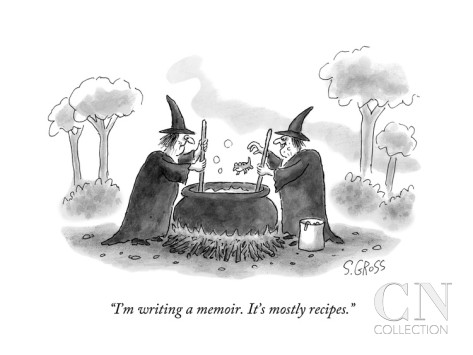
Memoir vs. Autobiography
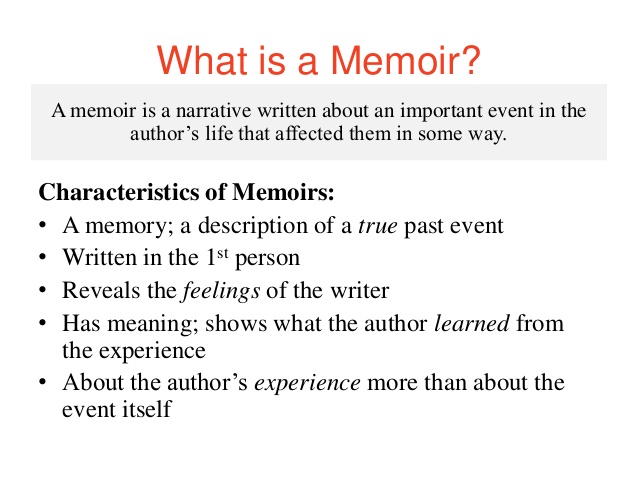
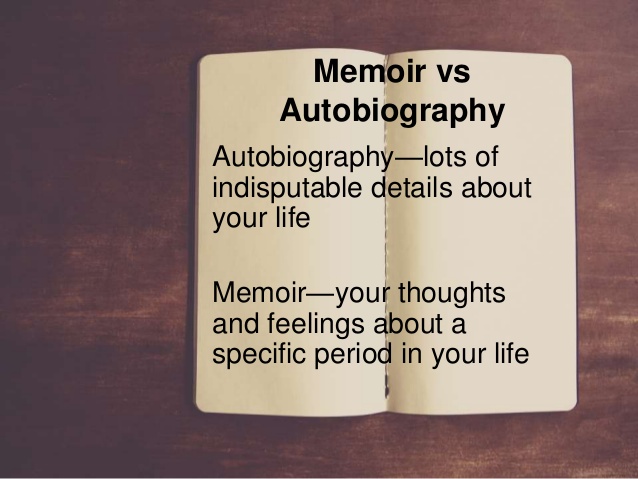 Before starting my memoir, I was pretty clear on the difference between memoir and autobiography, mainly thanks to information I’ve absorbed from writer friends working in the genre. But these reminder images don’t hurt, especially since I found that, while writing my memoir, I had a tendency to ‘tell’ (vs. show) more than I do in fiction. In places, I felt like a post-modern narrator commenting from outside the story. I’m not sure this is always wrong for this particular book, but ‘showing’ is usually more powerful.
- I’m less rigid now about the need for memorists to stick to the literal truth. It’s so hard to remember the details when you weren’t taking notes.
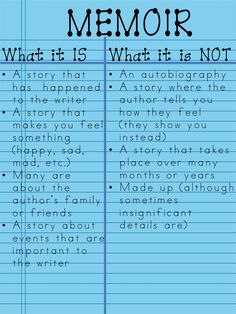
That I can learn from these image bytes makes me realize I have a lot to learn about writing memoir.
Next week’s post: Memoir vs. Fiction