Tag Archives: #historicalfiction

Historical fiction: how accurate do you need to be?

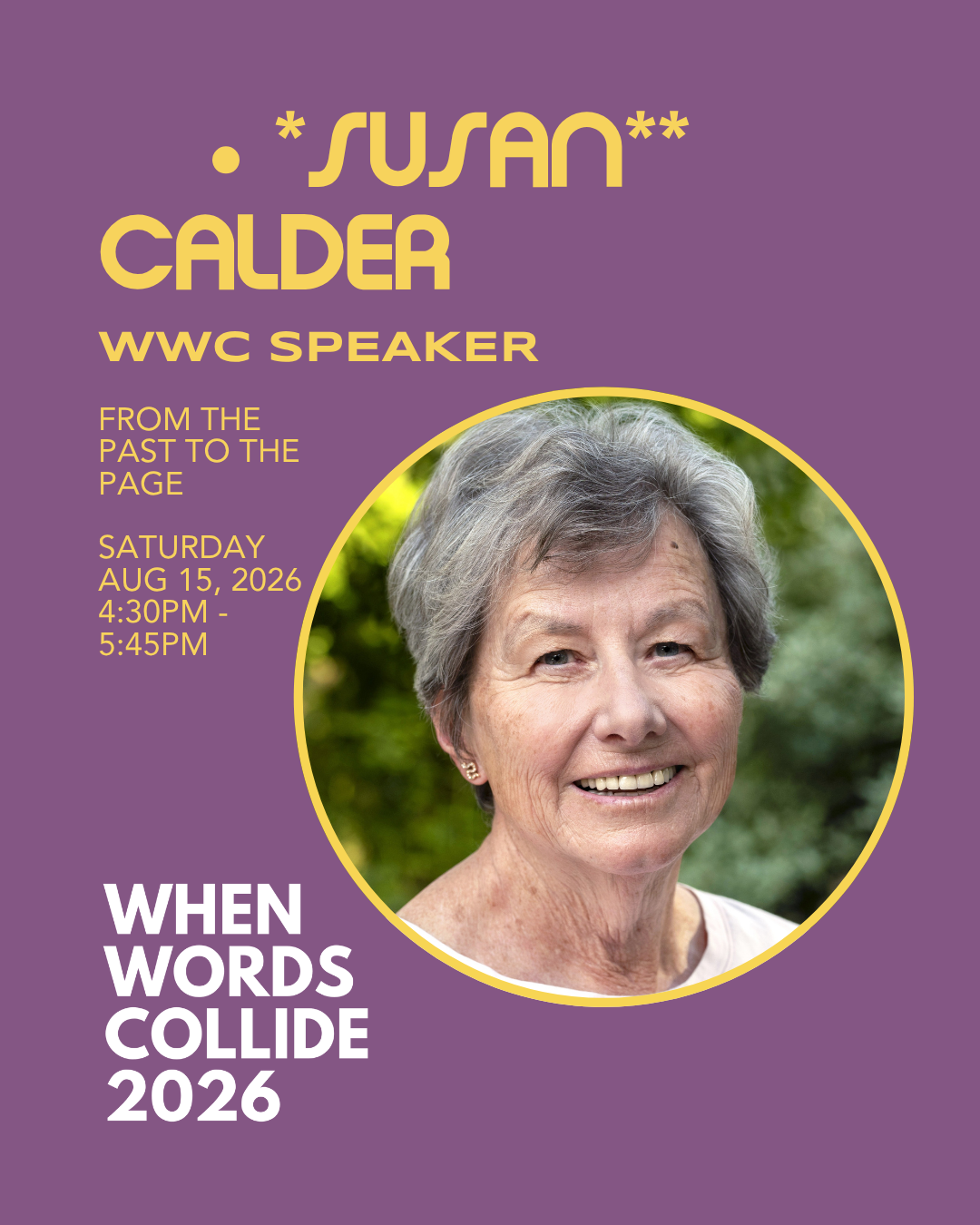
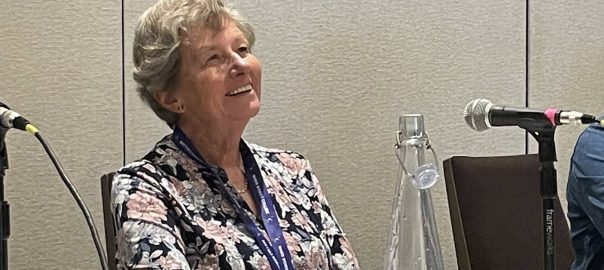
At this year’s When Words Collide Festival for Readers and Writers, https://www.whenwordscollide.org/ I participated in a panel titled Historical Fact and Fiction: what can and can’t be changed. Moderator Lori Hahnel began by asking how and where to find accurate historical facts. My fellow panelists, John Corry and Donna D. Conrad, talked of the challenges of historical research for novels set centuries ago. John’s novel about British author Geoffrey Chaucer takes place in the 1300s; Donna’s retelling of the story of Mary Magdalene in the first century. 

Donna said she used sources from different countries and religious perspectives to get the most accurate spin on Mary Magdalene. John noted that he had to be careful about dates in his research, since most countries changed from the Julian to the Gregorian calendar after his novel’s time period. 

My historical novel, A Killer Whisky, set in 1918 during World War One, felt modern in comparison, and I had more research tools available. While I found that reading historical fiction and non-fiction was useful, I learned the most from material published at the time of my novel. I signed up for a one-week free subscription to Newspapers.com and devoured the headlines of the day as well as ads for groceries, houses, jobs, and more. Online, I combed through the 1,000+ page 1918 Sears catalogue for images and descriptions of fashion and other consumer goods. Novels and memoirs published in the early twentieth century provided details of daily life, attitudes of the times, and words and expressions used. To avoid language anachronism, I suggested that the panel audience check out Google Ngram Viewer https://books.google.com/ngrams/. You plug in a word or phrase and a graph tracks its usage in books from 1800 to 2022. For instance, the word “groovy” barely registered before 1960, when it peaked. Then it dropped and hit a higher peak this century, perhaps from people writing about the swinging sixties. My WWI characters would never say “groovy.” 

Unless I try my hand at writing alternate history. 

Lori asked what we thought of television shows like Bridgerton, a Netflix series based on Julia Quinn’s novels set in early 19th century London. Main characters include wealthy and aristocratic people of colour who are totally accepted in high society. 

I said I liked Bridgerton. Everyone watching knows the world wasn’t like that then or even now, but Bridgerton makes you think, what if this alternate world were true? Donna said she enjoys these kinds of shows but cringes at the historical inaccuracy. 

Lori brought up her second concern about historical fiction: the abundance of WWII novels. Is the market saturated? Will people ever get tired of reading about that war?

John and Donna thought the trend would continue because writers are constantly finding new angles about the war. I suggested that WWII endures because it is arguably the last heroic war and it is still close to many of us whose parents or grandparents fought in or lived through the war. Perhaps, interest will wane for the next generations, until writers rediscover and reinterpret that momentous time.    

As to the panel topic question: what can and can’t be changed? We all agreed you can’t change major known facts. I wouldn’t change key dates about WWI, even though it would probably work better for my novel-in-progress if the war had started a month earlier. John and Donna said they wouldn’t change dates that Chaucer or Mary Magdalene were known to be in particular locations. 

I pointed out that Chaucer and Mary were their novels’ main characters, but it might be okay for me to write a novel set in 14th century York and have Chaucer make a cameo appearance despite no evidence that he’d ever gone there. Small changes like that wouldn’t significantly impact history or my main characters and themes, although I think it’s more interesting to readers if the historical figure really was present. We all like to pick up factual trivia from our reading and history is ripe with interesting tidbits. 

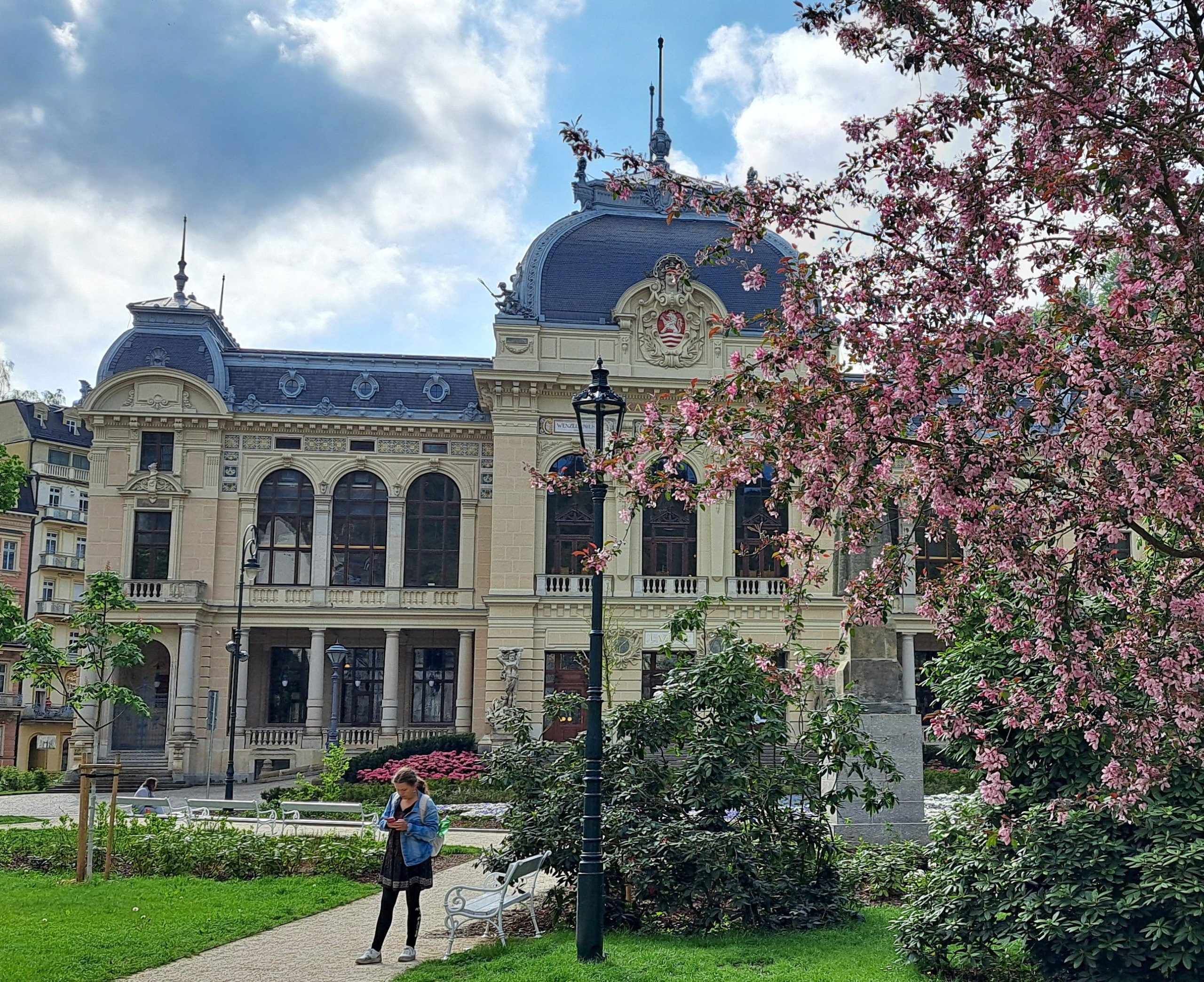
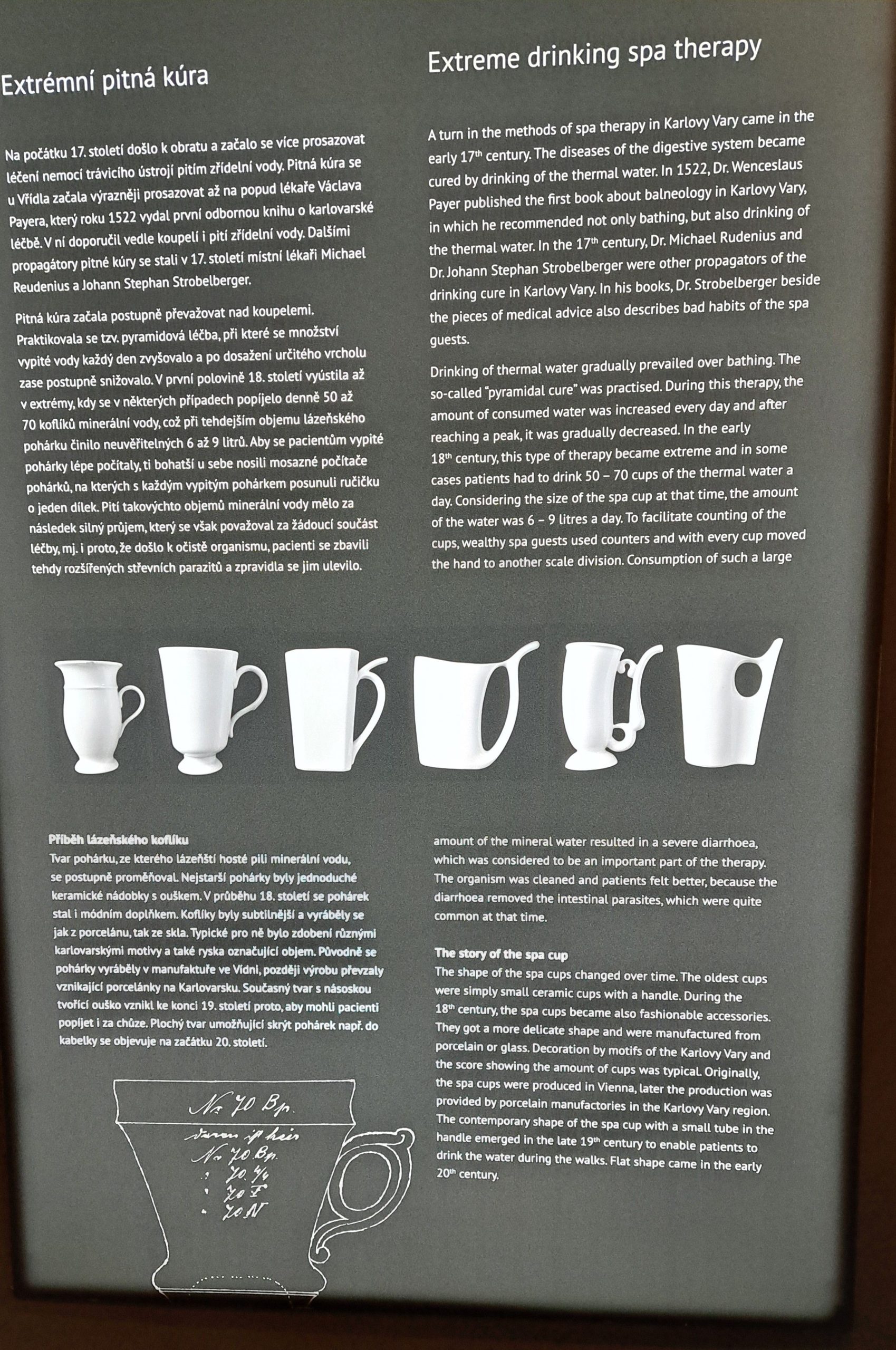
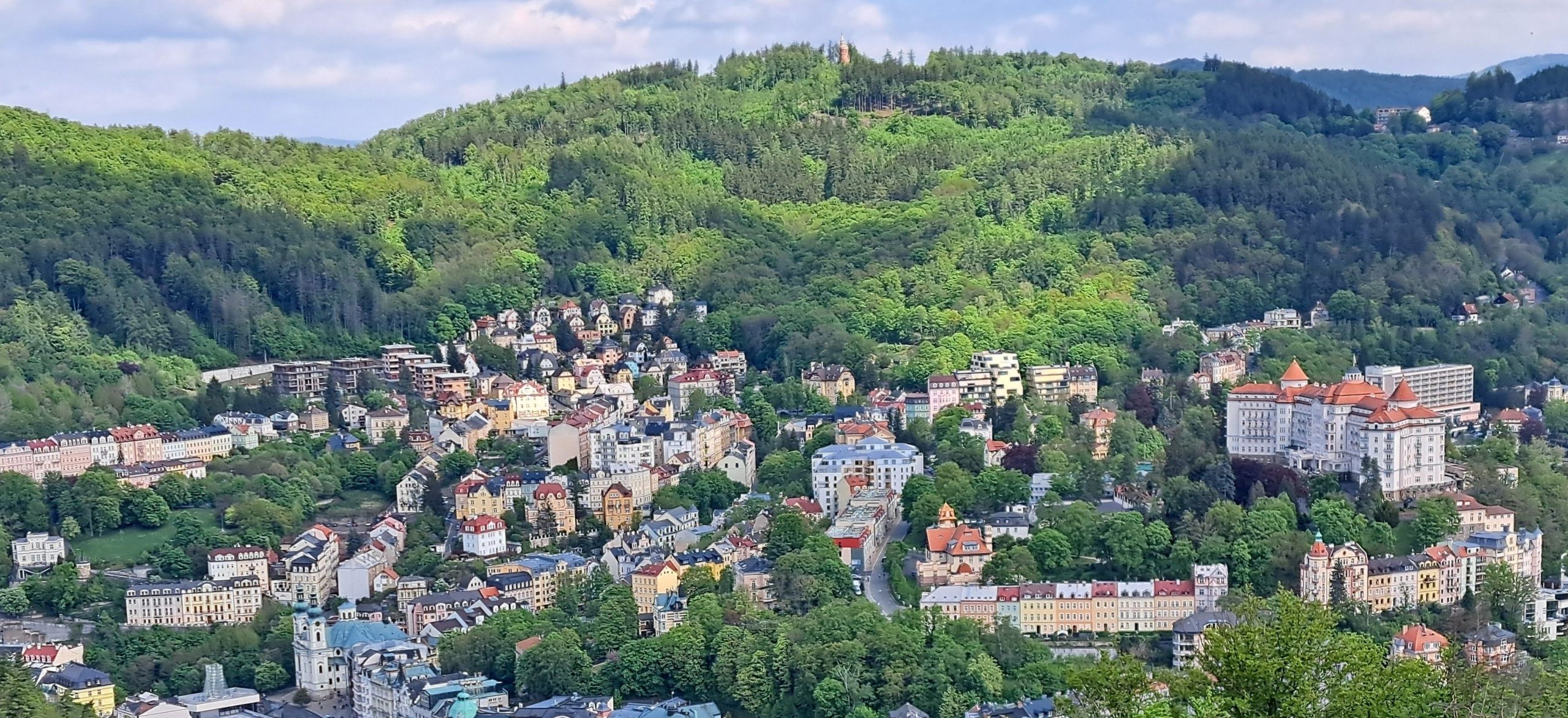
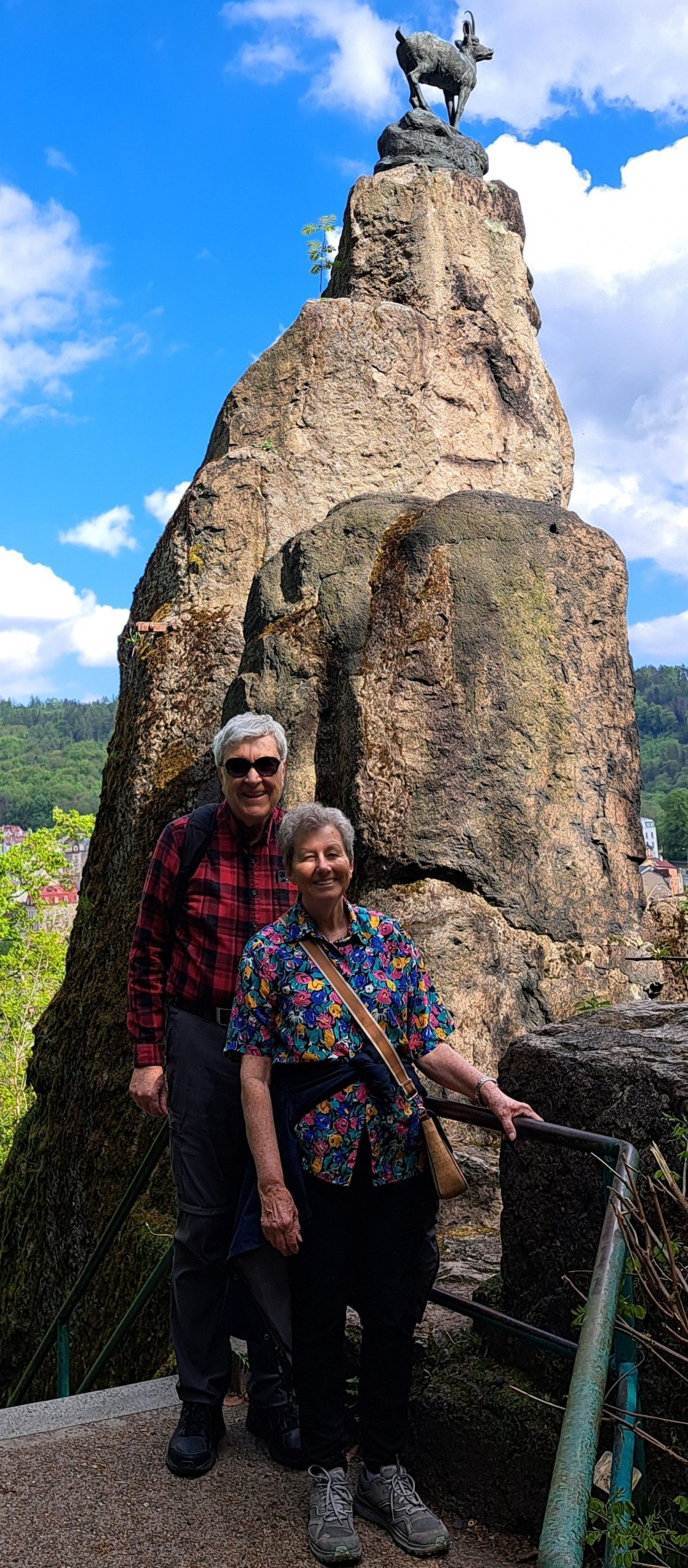
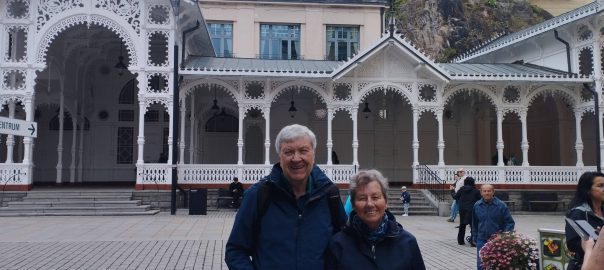
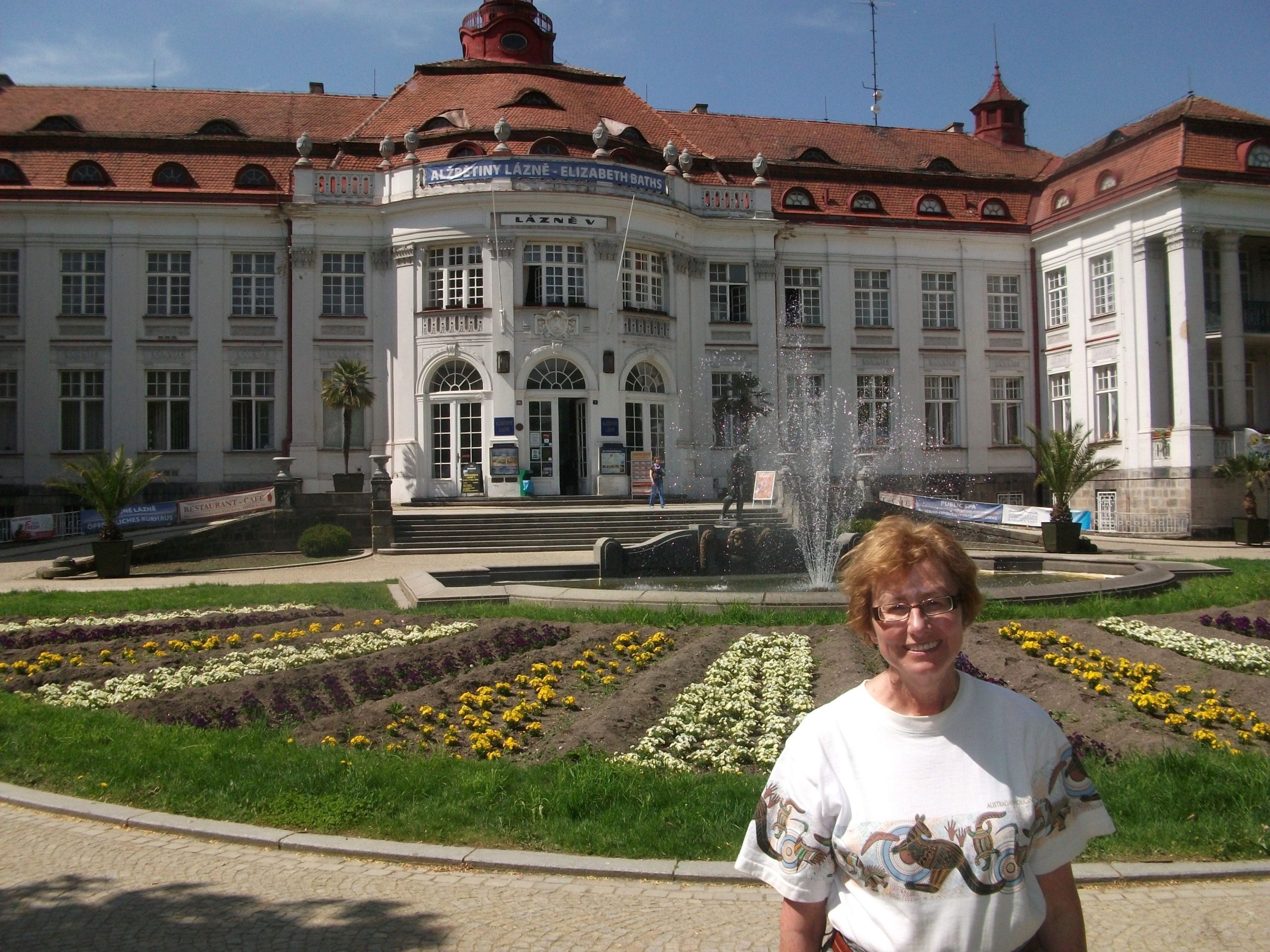
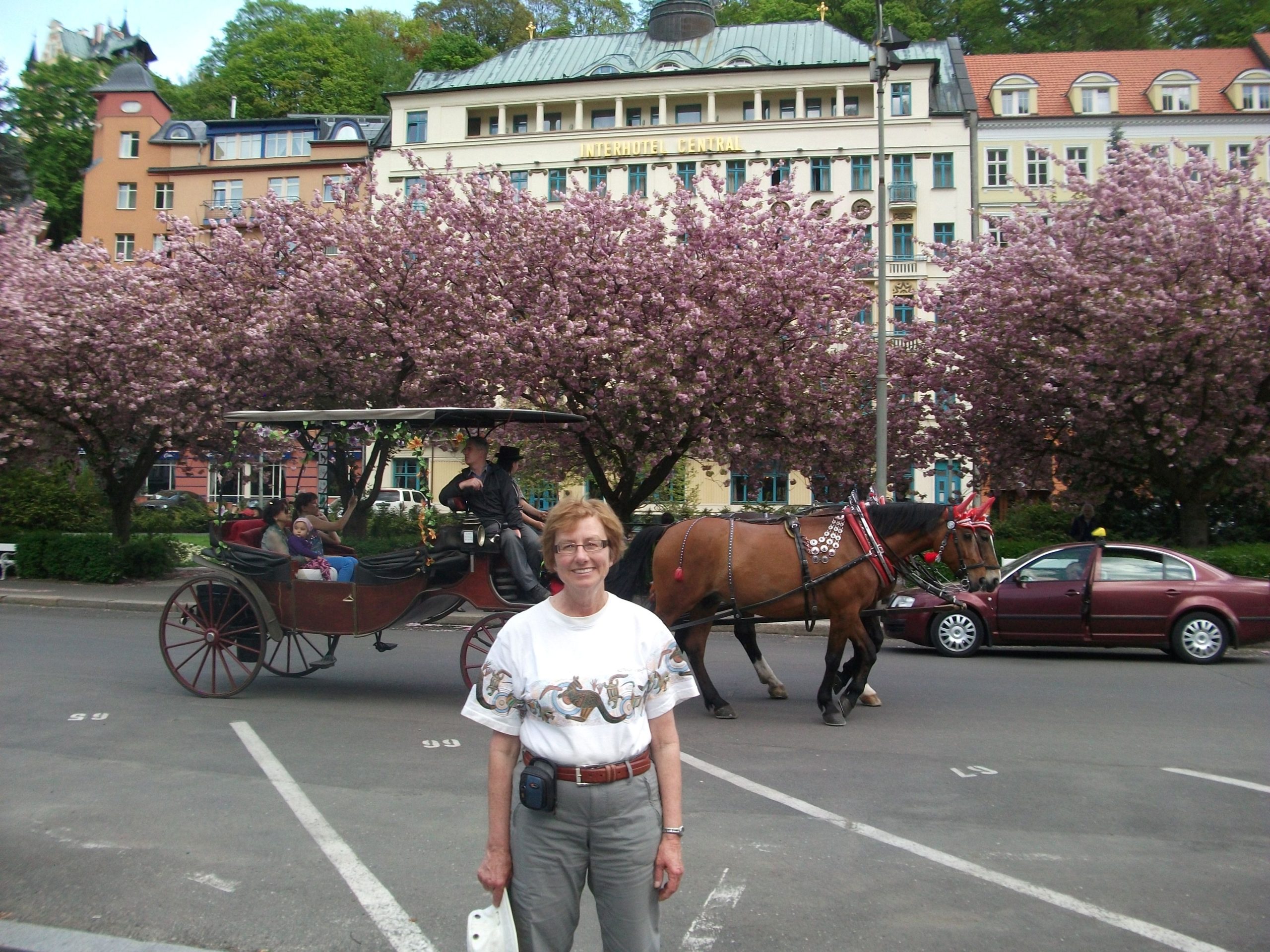
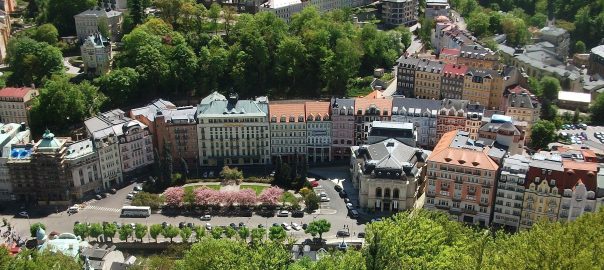
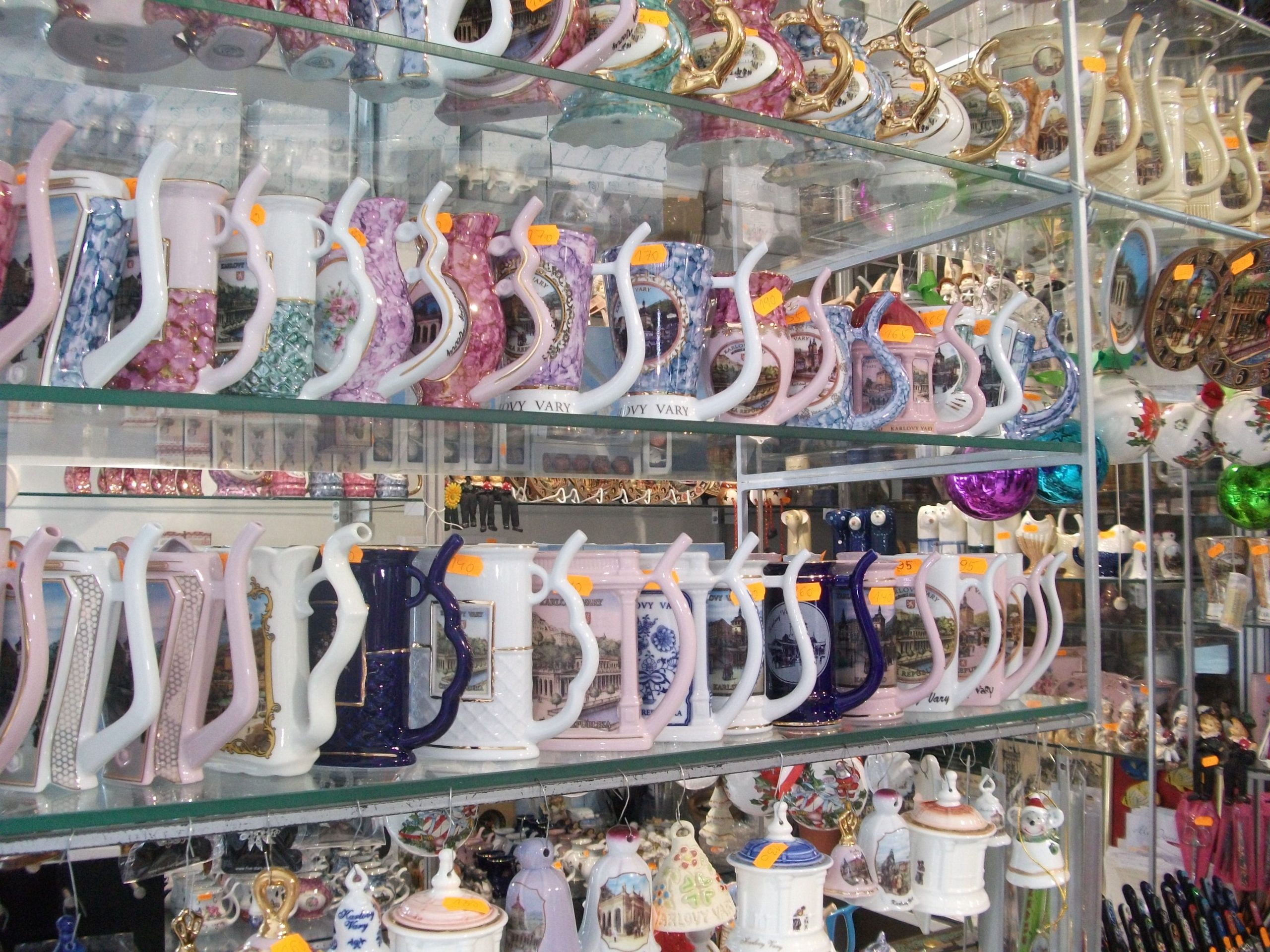
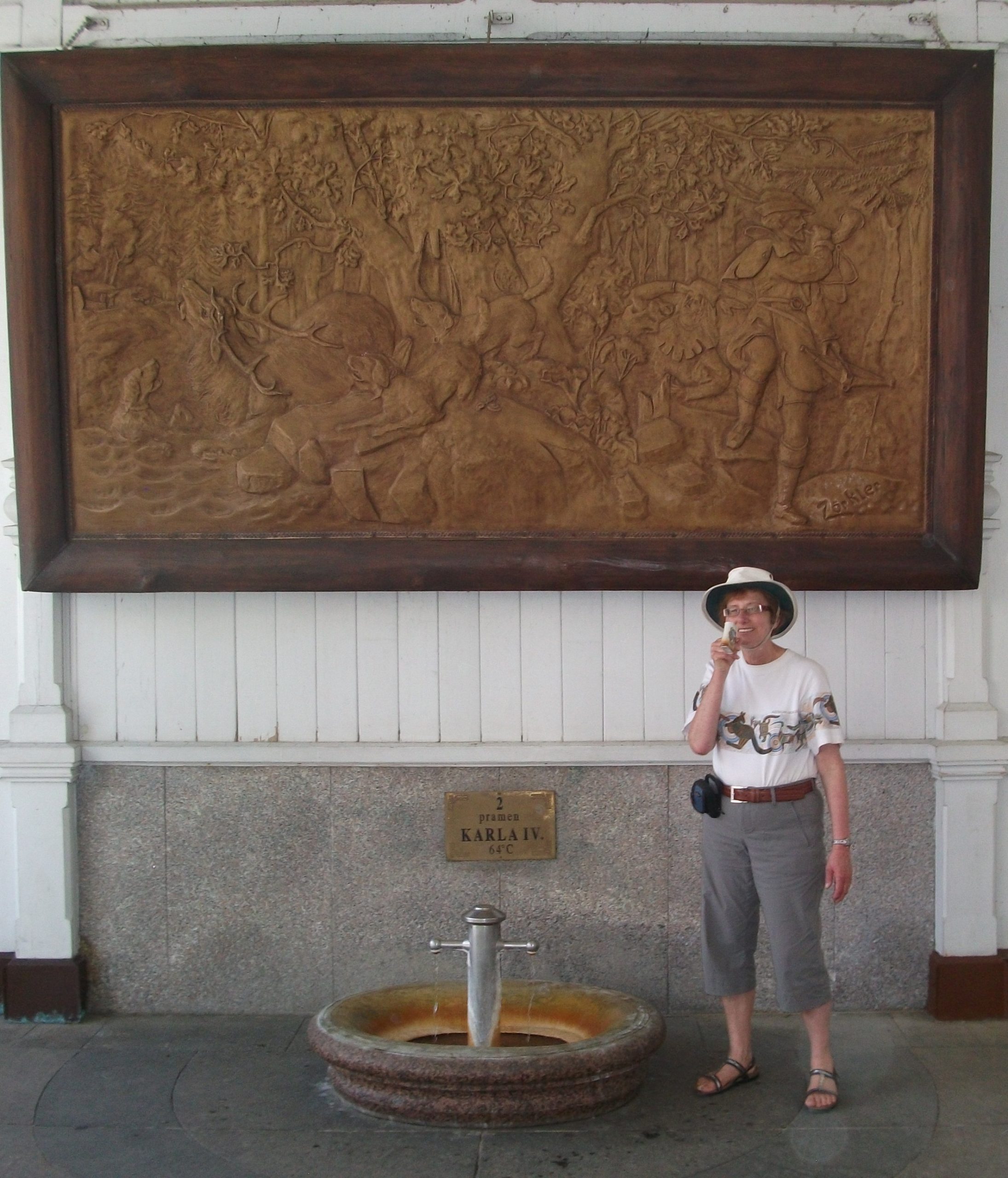
My historical novel-in-progress begins in Karlovy Vary (aka Karlsbad), a spa town in Czechia (aka Czech Republic). Somewhere I read that Sigmund Freud, founder of psychoanalysis was in Karlovy Vary at the outbreak of World War One, when my novel takes place. Unfortunately, I’ve lost the reference. (Advice to historical fiction writers: keep your references). The Psychiatric Times confirms that Freud visited Karlsbad more than once for health reasons and I’ll do my best to find my missing reference. But if I can’t, would it be wrong to make him a character in my novel? Freud’s interactions with my fictional characters would be interesting and relevant to the story. 

Successful Book Launch for A Killer Whisky

I enjoyed my book launch for my new novel, A Killer Whisky, on Tuesday night. The weather co-operated with relatively mild temperatures and a hint of sunshine. Views from the Treehouse at cSPACE Marda Loop were lovely. It was especially great to see so many smiling, supportive faces and chat with newcomers and friends.

As part of the festivities, we offered “wee drams” of whisky and whisky cocktails named for some of A Killer Whisky’s characters. The most popular cocktail was “Katharine’s Patriotic Canadian Maple Whisky Sour.” Here’s the simple recipe:

Ingredients – yields one serving

1.5 oz whisky

1 oz lemon juice

2-4 teaspoons maple syrup

Pinch of ground cinnamon (optional)

Instructions

Fill a cocktail shaker or mason jar about 2/3 full with ice.

Add whisky, lemon juice, maple syrup, pinch of cinnamon.

Securely fasten the lid and shake well.

Pour ice into cocktail glass.

Add maple whisky sour mixture.

Enjoy!

This was my favourite cocktail, too, but I refrained from drinking at the launch to stay alert for my discussion of how I came to write A Killer Whisky and the history that forms a backdrop to the story.

My friend and Calgary literary historian, Shaun Hunter, did a fabulous job of hosting the event. Another friend and writer Leslie Gavel kept the slide show moving smoothly. Judith from Owl’s Nest Bookstore created a fine display of my six novels.

Most people seemed to go home feeling satisfied and enthused with the event. I couldn’t ask for better launch my novel, A Killer Whisky.

Last Day of my virtual book tour

I have two stops for this finale day of my blog blitz tour. Here they are:

Our Town Book Reviews:https://www.ourtownbookreviews.com/2025/02/a-killer-whisky.html?sc=1741358052467#c5823763710522951092

The Avid Reader: Blurb Blitz + #Giveaway: A Killer Whisky by Susan Calder @GoddessFish | The Avid Reader

This whirlwind tour has been an interesting ride. Thanks to Goddess Fish promotions for organizing the tour, to the 15 reader websites for hosting A Killer Whisky and helping to connect readers and writers, and to the interested readers who posted comments about my book.

“I Dig Books”

On today’s virtual book tour, A Killer Whisky visits “Archaeolibrarian–I Dig Books” https://archaeolibrarian.wixsite.com/website/post/review-giveaway-a-killer-whisky-alberta-canadian-historical-mysteries-by-susan-calder Leave a comment on the site for a chance to win the giveaway prize donated by BWL Publishers.

Only one more day to go on my blog tour. Hard to believe it’s almost over.

Busy Day on my Virtual Book Tour

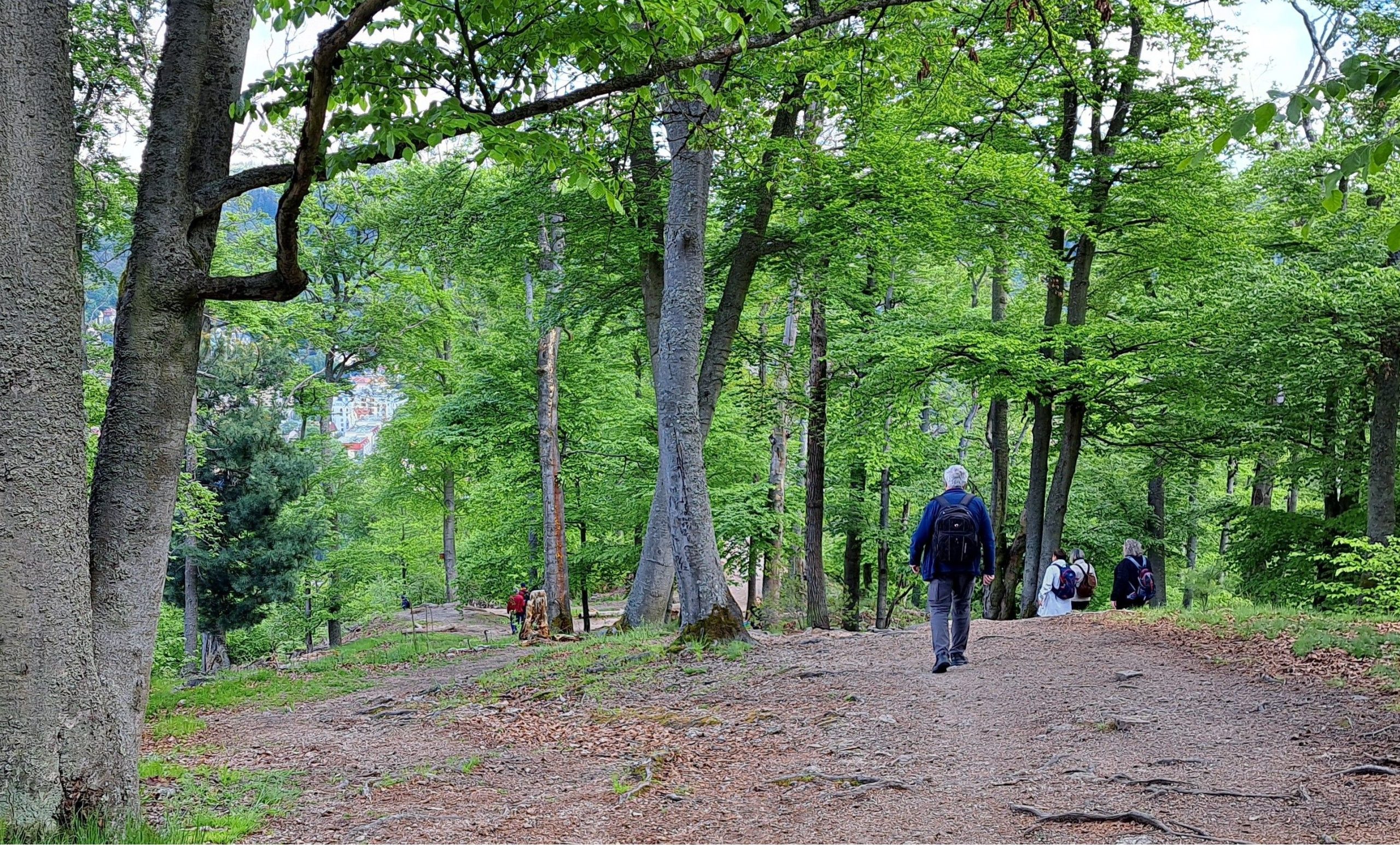
Today I have two blog stops: Dawn’s Reading Nook https://dawnsreadingnook.blogspot.com/?zx=421cc8dee075e536 and Westveil Publishing Westveil Publishing – Jenna Rideout | Illustrator, Book Reviewer, Author, and I’m heading out with my hiking group for a two-hour walk in Griffiths Woods this morning. How do I find the time?

Novels Make Great Historical Research

My favourite research for my novel-in-progress set in 1918 Calgary has been reading novels written by contemporary authors of the time. This week I finished Rilla of Ingleside, the eighth and last book of L.M. Montgomery’s Anne of Green Gables series. When I was a child, I devoured all the Anne books. I loved the first three novels in the series best, but once Anne realized Gilbert was her true love she got boring and the stories shifted focus to her six children. The story of Rilla, the youngest, grabbed me more than those of her older siblings because Rilla grows as a character and the war’s impact was poignant. 

Rilla of Ingleside is set during World War One. The novel begins with the war’s start in 1914 and ends shortly after the Armistice of November 11, 1918. Wikipedia calls Rilla of Ingleside “the only Canadian novel written from a contemporary woman’s perspective about the First World War.” I found it an excellent portrait of the experiences, views, and feelings of people living on the Canadian home front. The book led me to make a few changes to my novel, A Killer Whisky, which takes place during the Great War’s final month.  

Rilla lived in Prince Edward Island. A friend loaned me four novels written by early twentieth century Alberta writers. As their titles suggest, Cattle by Winnifred Eaton and The Cow Puncher by Robert J.C. Stead are largely set in ranch country, but the characters venture into Calgary. The Cow Puncher gets into World War One, which ties to its theme that meaning comes from service rather than selfishness. Cattle deals with the 1918 Influenza Pandemic aka the Spanish flu, which features prominently in A Killer Whisky.

The Shadow Riders by Isabel Paterson is set entirely in Calgary during the pre-war real estate boom. While reading all of the books, I kept a pen and sheet of paper handy to jot notes on descriptions of Calgary during that era, details of daily life, and word usage. A hundred years ago, expressions of surprise and horror tended to come from religion, such as “Lord Almighty!” “I’ll be damned!” and the softer “Heavens!” Peppering a novel with these as well as slightly archaic phrases — “he was wont to say,” “it’s a mortal disgrace,” “wicked to do this” — helps bring readers into that former time. 

The fourth Alberta novel I read, The Magpie’s Nest, was Isabel Paterson’s second published novel. Set partly in rural Alberta and New York City, it provided less Calgary detail than The Shadow Riders, but The Magpie offered some interesting commentary. Today’s writers tired of the pressure to promote themselves on social media might appreciate this Magpie character’s view of fan worship: “What does anyone want to meet an author for? Or a painter, or any famous person? You’ve got all the best of them in whatever they create. I’d as soon meet a cook because I liked the meal.”

In addition to their practical value for research, I found these five novels jolly good reads. The female characters are remarkably spirited and smart. While the books’ styles are somewhat dated, I enjoyed them more than many modern novels I’ve read. There’s good reason to call them classics, but they all aren’t easy to get your hands on.  

Rilla of Ingleside is the only one available for takeout from my Calgary Public Library due to the continued popularity of the Anne of Green Gables series. Cattle, re-released last year by Invisible Publishing to mark the 30th anniversary of Winnifred Eaton’s death, is available only for in-library use. You aren’t likely to find Cattle on a bookstore shelf, but it can be ordered or purchased online. The Leopold Classical Library has republished Isabel Paterson’s two novels by scanning the originals since books published in the United States before 1929 are now in the public domain. You can also read e-book versions free online.      

I liked The Shadow Riders so much that I bought the republished paperback and was surprised — “Good Heavens!” — when it arrived in 8 1/2 x 11 format in large font with wide margins. A bargain for $30, even though the original novel probably cost about 50 cents in 1918.